

- Like
- Digg
- Del
- Tumblr
- VKontakte
- Flattr
- Buffer
- Love This
- Odnoklassniki
- Meneame
- Blogger
- Amazon
- Yahoo Mail
- Gmail
- AOL
- Newsvine
- HackerNews
- Evernote
- MySpace
- Mail.ru
- Viadeo
- Line
- Comments
- Yummly
- SMS
- Viber
- Telegram
- Subscribe
- Skype
- Facebook Messenger
- Kakao
- LiveJournal
- Yammer
- Edgar
- Fintel
- Mix
- Instapaper
- Copy Link
Growing Nerium oleander is the best way to attract wildlife to the garden and add a burst of colors! Let’s have a look at How to Grow Kaner ke Phool.

Kaner ke Phool stand out with their mesmerizing colors. The best par is, they are really easy to grow and do best in the climate of India. Let’s have a look at how to grow and maintain them.
Check Out 10 Beautiful White Flowering Shrubs in India here
Kaner ke Phool Information
Kaner ke Phool, commonly known as Oleander, belong to the Apocynaceae family. Their evergreen foliage provides a privacy screen when planted in groups or borders. The fragrant flowers come in shades of pink, red, orange, yellow, or white. Blooming for an exceptionally long period, it is one of the best flowering plants you can have in the garden!
Botanical Name: Nerium oleander
How to Grow Kaner ke Phool?
You can grow Kaner ke Phool from seeds or cuttings. However, both these methods can be time consuming, so it is best to buy a well grown plant from a nursery and then transplant it into the garden or a container of your choice.
Seeds Picked for This Article
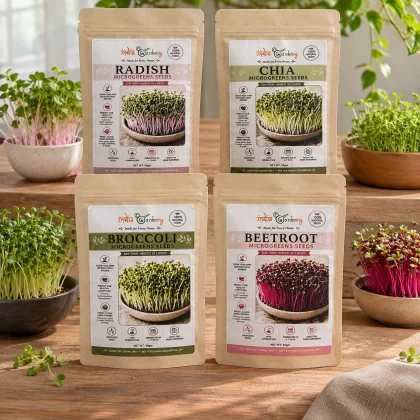
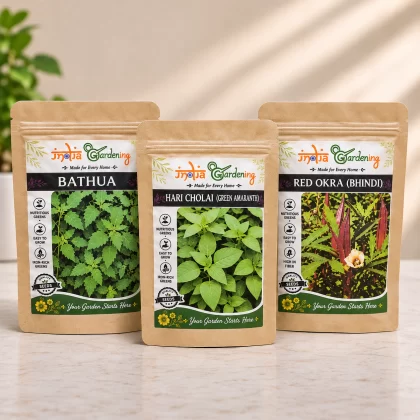
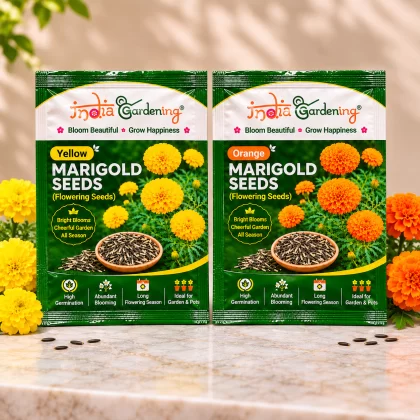
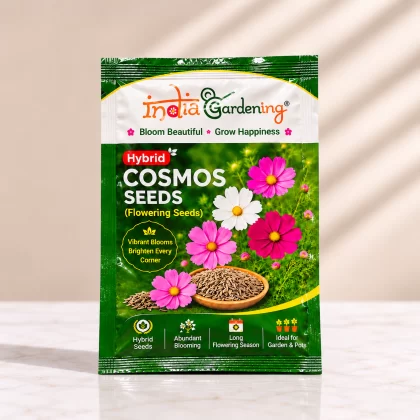
Check Out How to Grow Jamun ka Ped here
Requirements to Grow Kaner ke Phool

Sunlight
Kaner ke Phool blooms the best when they get sunlight for a minimum of 4-6 hours every day. If you have a shaded spot in the garden, avoid keeping the plant there. Do remember that the more sunlight this plant will get, the better it will be for the growth and flowers.
Soil & Plant Food

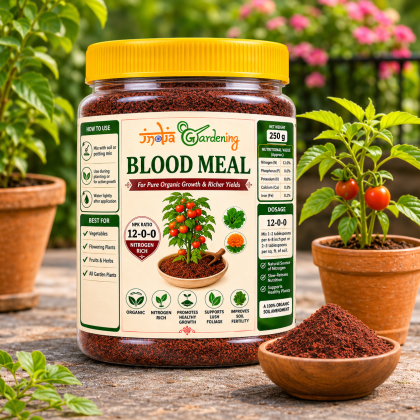
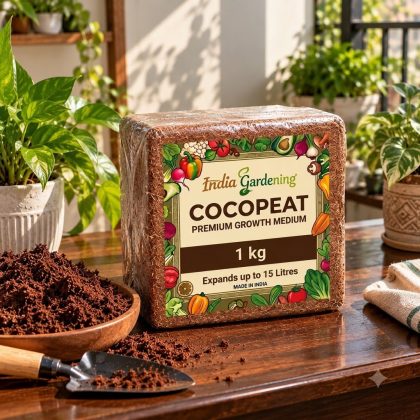
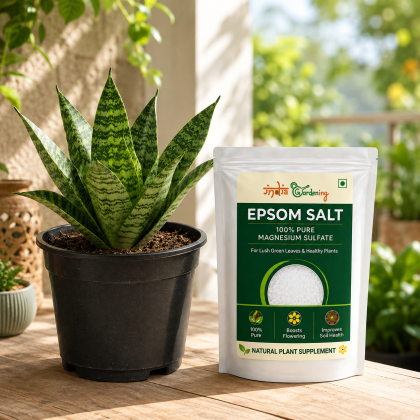
Soil
Plant Kaner in well-draining soil for the best growth. Generally, oleanders prefer alkaline soil but grow well in acidic or neutral soil too, adapting to pH levels between 5.0 and 8.3.
If the soil is overly acidic (you can check it using a kit), mix in ground limestone, oyster shells, or wood ash.
Water
Water the plant whenever the topsoil feels a little dry to the touch. Under and over-watering can affect the flowering of the plant, so ensure you never moisten the soil daily or let the growing medium go dry completely.
Check Out How to Make Potting Soil for Succulents here
Taking Care of Kaner ke Phool

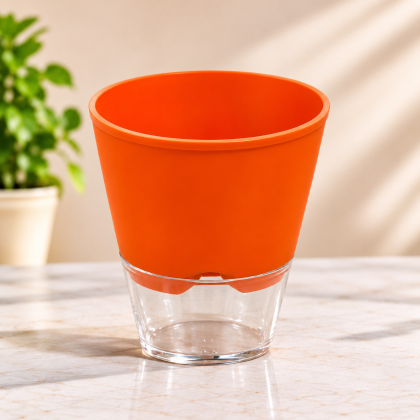
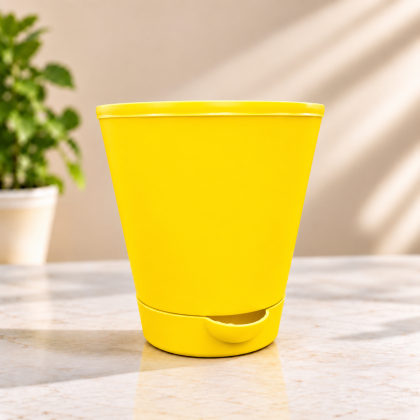
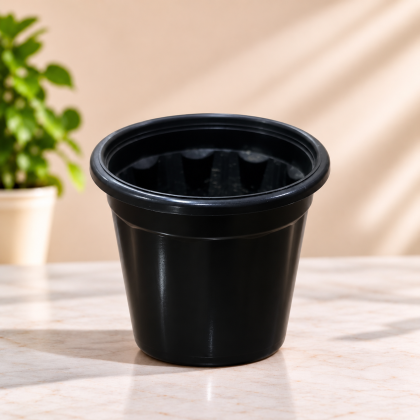
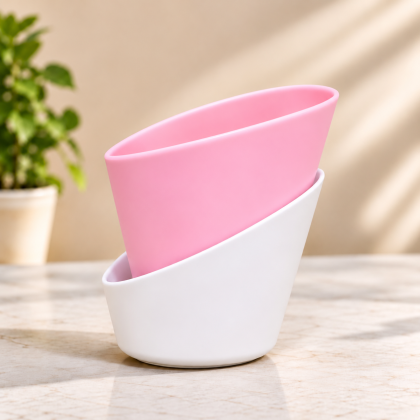
Pots & Planters for Your Space
Fertilizer
Kaner ke Phool bloom really well if you’ll use a handful of cow dung manure every month. To boost the growth, feed the plant with a balanced liquid fertilizer, diluted to 1/2 of its strength, once in 2 months. This will increase the size and number of flowers.
Pruning
The optimum time to prune Kaner ke Phool is late winter, in February or March. The flowers bloom in summer on new growth. Pinch tips of young stems to encourage branching.
Prune out any damaged or diseased stems to make the plant look clean and help sunlight reach every part.
Pests & Diseases
The leaves of Kaner ka Ped contain latex and extracts from the plant that makes itself a potent insecticide. For this reason, these plants are resistant and rarely have severe problems with diseases or pests.
They are especially resistant to verticillium wilt. However, it is good to keep a watch on aphids and mealybugs. The most problematic pests are caterpillars. Remove cocoons to manage the next generation, which could eat all the plant’s foliage in a week or two.
Check Out How to Grow Mahua ka Ped in India here
Watch the Video Below
- Like
- Digg
- Del
- Tumblr
- VKontakte
- Flattr
- Buffer
- Love This
- Odnoklassniki
- Meneame
- Blogger
- Amazon
- Yahoo Mail
- Gmail
- AOL
- Newsvine
- HackerNews
- Evernote
- MySpace
- Mail.ru
- Viadeo
- Line
- Comments
- Yummly
- SMS
- Viber
- Telegram
- Subscribe
- Skype
- Facebook Messenger
- Kakao
- LiveJournal
- Yammer
- Edgar
- Fintel
- Mix
- Instapaper
- Copy Link