

- Like
- Digg
- Del
- Tumblr
- VKontakte
- Flattr
- Buffer
- Love This
- Odnoklassniki
- Meneame
- Blogger
- Amazon
- Yahoo Mail
- Gmail
- AOL
- Newsvine
- HackerNews
- Evernote
- MySpace
- Mail.ru
- Viadeo
- Line
- Comments
- Yummly
- SMS
- Viber
- Telegram
- Subscribe
- Skype
- Facebook Messenger
- Kakao
- LiveJournal
- Yammer
- Edgar
- Fintel
- Mix
- Instapaper
- Copy Link
Growing Boncel Snake Plant indoors is a perfect addition to small tables. Here’s our detailed guide on How to Grow Sansevieria Boncel to help you out!

Boncel Snake Plant is one of the easiest ones you can grow indoors. It thrives on neglect and is a boon for busy gardeners. Let’s have a look at How to Grow the Sansevieria Boncel!
Learn How to Care for Laxmi Kamal Plant Here
What is Sansevieria Boncel?
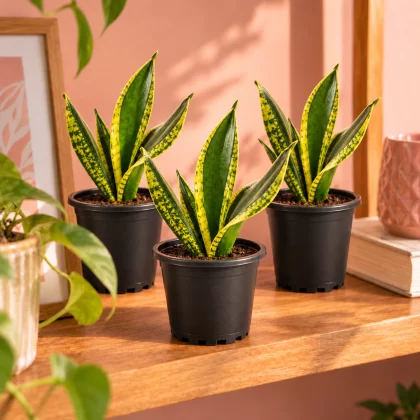
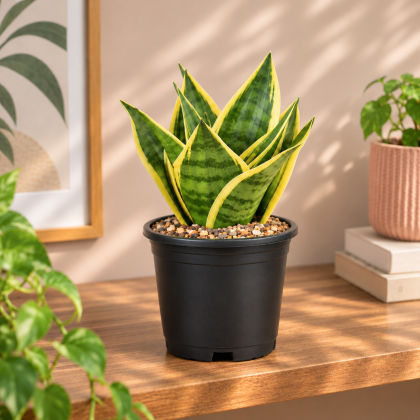
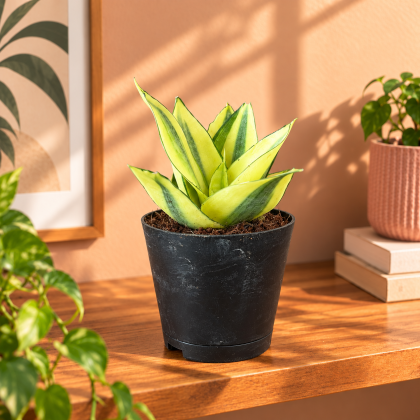
This succulent features erect and fleshy leaves, marked with ‘circles’ from top to bottom. It also bears tubular, white flowers when exposed to the full sun. It is also popular as starfish because of its rosette leaves that resemble a starfish. The plant’s unusual yet attractive appearance serves as a focal point on desks, corners, and coffee tables.
Botanical Name: Sansevieria Cylindrica ‘Boncel’
Common Names: Starfish sansevieria, Spear orchid, Fan snake plant, Skyline spear, Dwarf African spear plant
How to Grow Sansevieria Boncel
Live Plants for Your Garden
From Leaves
Snip off a leaf or make a cut near the base using sanitized shear. Let the leaf-cutting dry in the air for a few days to form callus. Then, plant in well-draining soil. Mist the soil evenly, and place the planter where it gets bright, indirect sunlight. New shoots will form in 1-2 weeks.
From Pups
Once this plant becomes fully established, it develops small pups or offsets from the base and side. These pups have their own root. You can cut and plant them in individual containers.
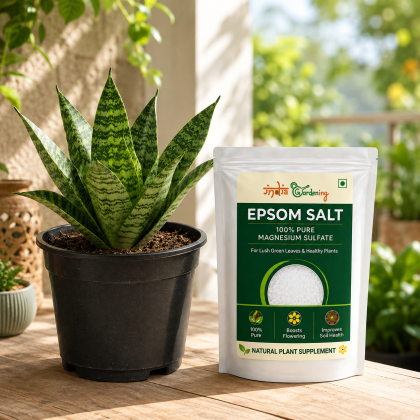
Soil & Plant Food

Have a look at the best Hanging Succulents in India Here
Growing Requirements of Sansevieria Boncel

Sunlight
Sansevieria grows well in bright and indirect light. Keep it safe from the harsh afternoon sun of the Indian summers. If you are growing it indoors, keep it near a bright window.
Tip: Keeping the plant in full sunlight for a couple of hours is best for blooming.
Water
Since it is a succulent and retains water in its leaves, overwatering can kill this plant. Water only when the topsoil dries out completely.
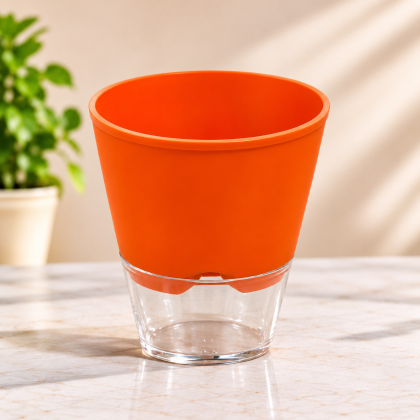
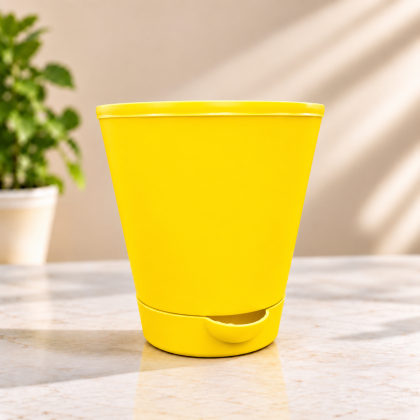
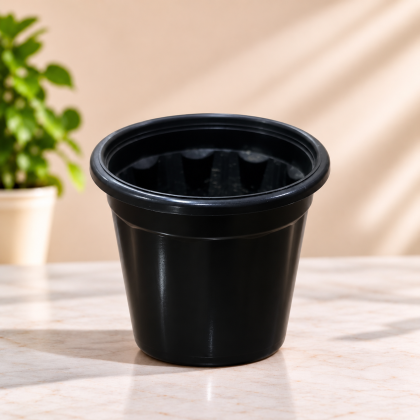
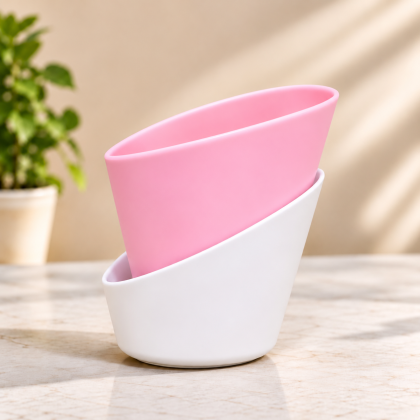
Pots & Planters for Your Space
Soil
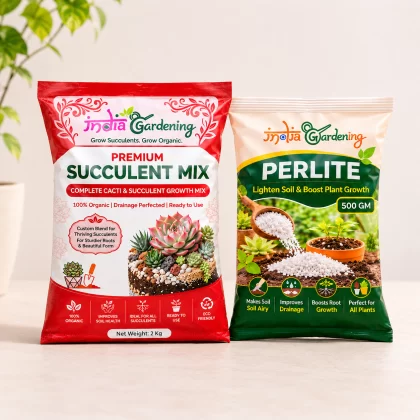
Like other succulents, sansevieria requires a fast-draining and porous growing medium with a slightly acidic pH. Use a standard potting mix specifically designed for cactus and succulents.
Climate
It does well in the warm temperature between 21-35 C. Bring the plant indoors if it drops below 10 C. Also, save this succulent from the cold drafts and heatwaves.
Learn How to Grow Echeveria Black Prince Here
Sansevieria Boncel Care

Fertilizer
Succulents are not heavy feeders. To boost its growth, use a balanced liquid fertilizer, diluted to half the recommended strength, once in 5-7 weeks.
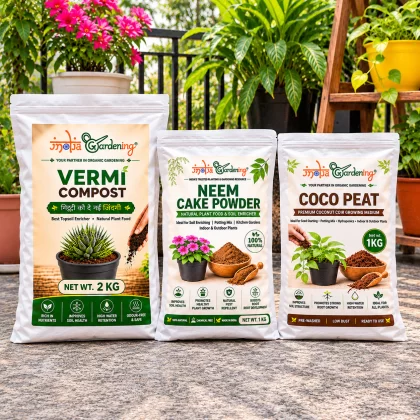
Alternatively, you can also go for an organic fertilizer like compost and manure once a month. Do not feed the plant in winter.
Pests and Diseases
The plant might get affected by snails, spider mites, and aphids. Use a strong jet of water to deter them off. You can also use neem oil or soap solution to get rid of these pests.
Avoid overwatering to keep most of the potential diseases ta bay.
- Like
- Digg
- Del
- Tumblr
- VKontakte
- Flattr
- Buffer
- Love This
- Odnoklassniki
- Meneame
- Blogger
- Amazon
- Yahoo Mail
- Gmail
- AOL
- Newsvine
- HackerNews
- Evernote
- MySpace
- Mail.ru
- Viadeo
- Line
- Comments
- Yummly
- SMS
- Viber
- Telegram
- Subscribe
- Skype
- Facebook Messenger
- Kakao
- LiveJournal
- Yammer
- Edgar
- Fintel
- Mix
- Instapaper
- Copy Link