

- Like
- Digg
- Del
- Tumblr
- VKontakte
- Flattr
- Buffer
- Love This
- Odnoklassniki
- Meneame
- Blogger
- Amazon
- Yahoo Mail
- Gmail
- AOL
- Newsvine
- HackerNews
- Evernote
- MySpace
- Mail.ru
- Viadeo
- Line
- Comments
- Yummly
- SMS
- Viber
- Telegram
- Subscribe
- Skype
- Facebook Messenger
- Kakao
- LiveJournal
- Yammer
- Edgar
- Fintel
- Mix
- Instapaper
- Copy Link
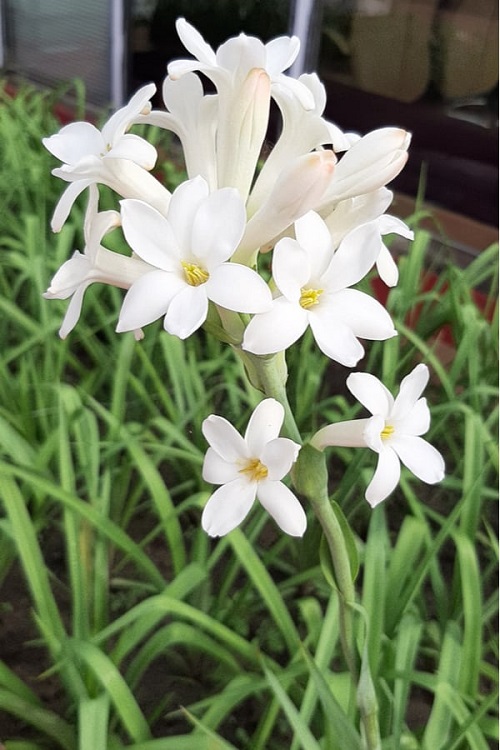
Growing Tuberose will ensure you enjoy beautiful white flowers in your garden! Let’s have a detailed look at How to Grow Rajnigandha in India!
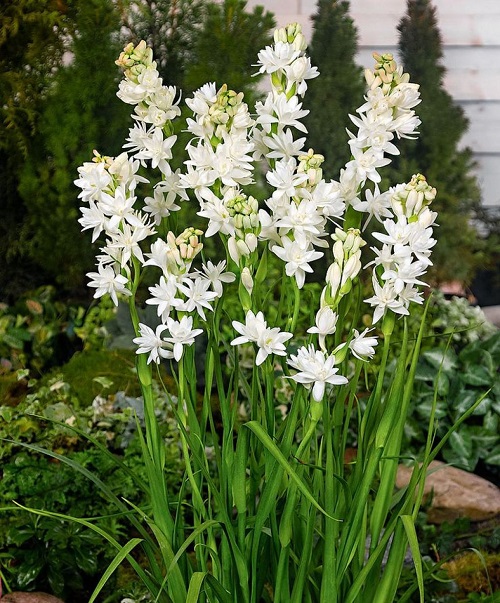
Rajnigandha is one of the most popular flowers in India and people love it especially for the fact that unlike most of the other blooms, it opens up in the night. If you too want a plant that makes your garden come alive in the night, then here’s all you need to know about How to Grow Rajnigandha in India!
Botanical Name: Polianthes tuberosa
Other Common Names: Tuberose, Sampangi, Shabbo
How to Grow Rajnigandha?
- Get tubers from a nursery or a garden center.
- You can directly plant them in the garden or individual pots.
- Choose a location that gets plenty of sunlight.
- After planting the tubers in the soil, water well.
- The tubers will grow new shoots in 3-5 weeks.
- The plant will start to grow flowers after 100-120 days.
Tip: To save time, it is a good idea to get a well-grown plant from a nursery.
Growing Requirements of Rajnigandha Flower
Seeds Picked for This Article

Sunlight
The plant does well in plenty of light. Make sure it gets 3-4 hours of direct sun for good growth and flowers. If you are growing it indoors, place it near a south-facing window.
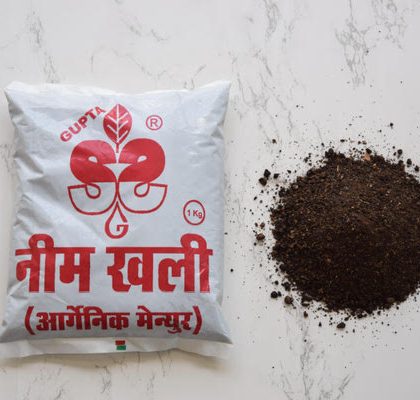
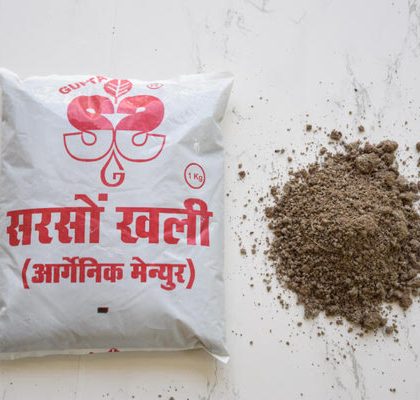
Soil & Plant Food

Watering
Rajnigandha appreciates slightly moist soil. Water it when the top 1-inch of the soil feels a bit dry to touch. Also, avoid wetting the foliage to avoid fungal issues.
Soil
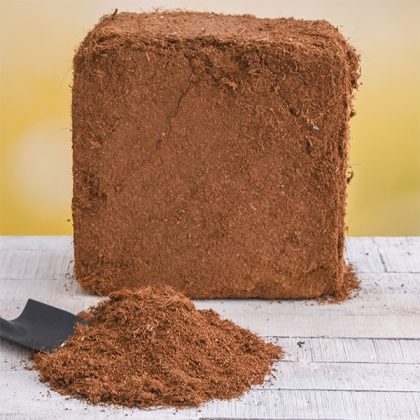
This flowering plant does well in porous, well-draining, and fertile soil with 6.5-7 pH. You can create your own potting mix by blending 3-parts of cocopeat, 3-parts of garden soil, 3-parts of vermicompost, and 1-part of perlite.
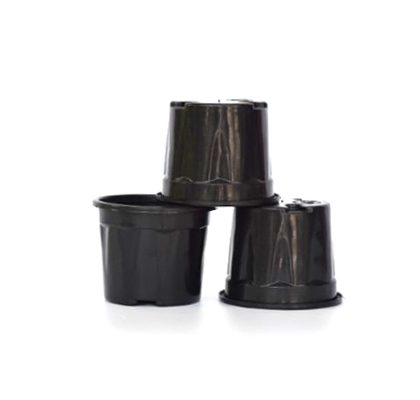
Pots & Planters for Your Space



Climate
The plant does preferably well in the temperature range of 20-35 C. It is fond of warm and humid climates, so it does great in the tropical climate of India.
Taking Care of Rajnigandha
Fertilizer
Feed the plant with a balanced fertilizer, once in 4-6 weeks, at the growing stage. Do refer to the label for dosage and instructions. You can also add some crushed eggshells to the soil base to boost up its growth.
Mulch
Apply a 2-3 inch wide layer of mulch around the base of the plant. Use only organic mulch like grass clippings, straw, barks, or shredded leaves. Mulching prevents water loss and maintains the even temperature of the roots.
Pests and Diseases
Rajnigandha is prone to aphids, spider mites, and thrips. Use a strong jet of water to knock them off. Alternatively, apply a neem oil solution to take care of them. To avoid most of the potential diseases, do not overwater the plant at all costs.
- Like
- Digg
- Del
- Tumblr
- VKontakte
- Flattr
- Buffer
- Love This
- Odnoklassniki
- Meneame
- Blogger
- Amazon
- Yahoo Mail
- Gmail
- AOL
- Newsvine
- HackerNews
- Evernote
- MySpace
- Mail.ru
- Viadeo
- Line
- Comments
- Yummly
- SMS
- Viber
- Telegram
- Subscribe
- Skype
- Facebook Messenger
- Kakao
- LiveJournal
- Yammer
- Edgar
- Fintel
- Mix
- Instapaper
- Copy Link