

- Like
- Digg
- Del
- Tumblr
- VKontakte
- Flattr
- Buffer
- Love This
- Odnoklassniki
- Meneame
- Blogger
- Amazon
- Yahoo Mail
- Gmail
- AOL
- Newsvine
- HackerNews
- Evernote
- MySpace
- Mail.ru
- Viadeo
- Line
- Comments
- Yummly
- SMS
- Viber
- Telegram
- Subscribe
- Skype
- Facebook Messenger
- Kakao
- LiveJournal
- Yammer
- Edgar
- Fintel
- Mix
- Instapaper
- Copy Link
Neem Chameli is praised for its ornamental beauty, fragrant flowers, and medicinal uses! Here’s all you need to know on How to Grow Indian Cork Tree!

The Indian cork tree is a gift from Burma and the shape of its leaves resembles Neem. Growing up to 60-80 feet tall, the tree has a life span of around 40 years. This ornamental tree is known for its numerous therapeutic and commercial uses. It also grows waxy and fragrant flowers that unfurl during night time and fall apart every morning creating a floral carpet in the landscape. If you too want to grow this tree in your yard, then here’s everything you need to know on How to Grow Indian Cork Tree!
Botanical Name: Millingtonia hortensis
Other Name: Akash Neem, Neem Chameli, Betati Neem, Mini Chameli, Karkku, Malli, Kavud, Machmach
How to Grow Indian Cork Tree?

Propagation of the Indian Cork tree in India is commonly done by cutting, as the chances of its seed germination are not very high.
Live Plants for Your Garden
Stem Cutting
Select a healthy stem and snip it off from the tree. The cutting should be 5-inches long and must have 4-5 nodes. Snip off the leaves from the cutting and apply rooting hormone at the cut section. Plant and water it regularly to keep the soil moist, but not soggy. In a few weeks, new shoots will appear from the nodes.
Tip: It is best to purchase the sapling from the nearby nursery and transplant it in the yard.
Growing Requirements

Soil & Plant Food
Soil
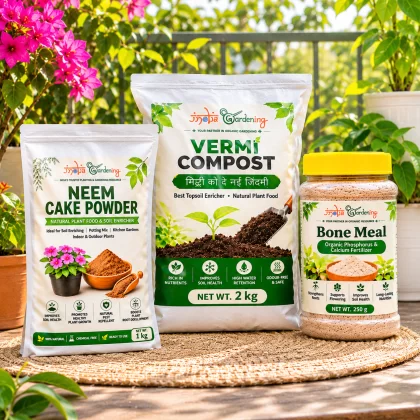
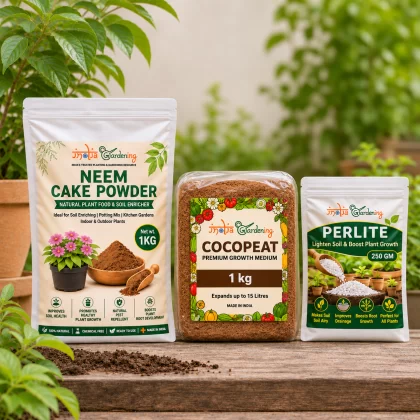
Although the Indian Cork tree can grow in a wide variety of soils, it does best in deep, fertile and well-draining soil. For saplings, you should consider using a potting mix containing a mixture of garden soil, bark, and cocopeat.
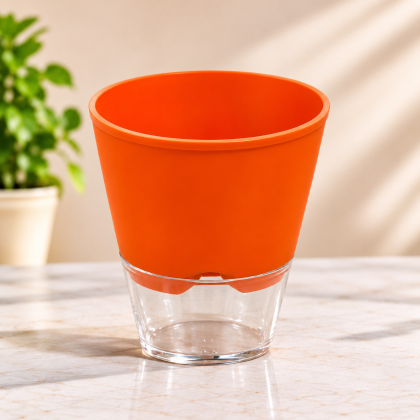
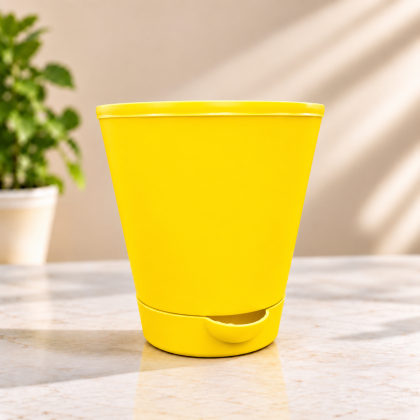
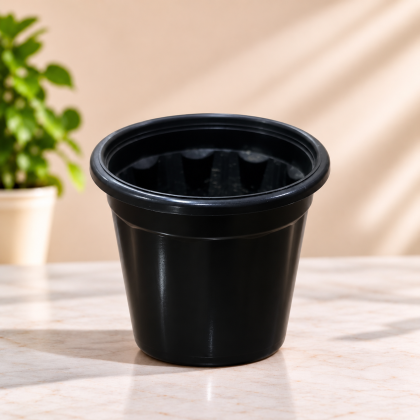
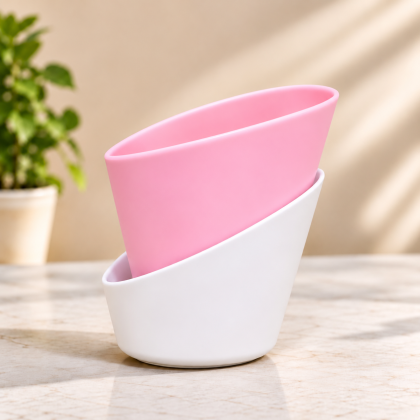
Pots & Planters for Your Space
Sunlight
It prefers around 6-7 hours of full sunlight for the best growth. If you are keeping the plant indoors, then make sure to keep it near a bright, south-facing windowsill.
Temperature
The plant does well in warm and humid climatic regions. The ideal temperature for its growth is 18 – 28°C.
Watering
Water the plant deeply and regularly. When the plant reaches maturity, it should be watered on a weekly basis. Once established, you don’t have to care much about its watering needs.
Fertilizing
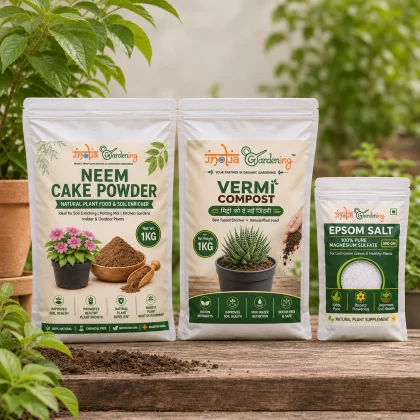
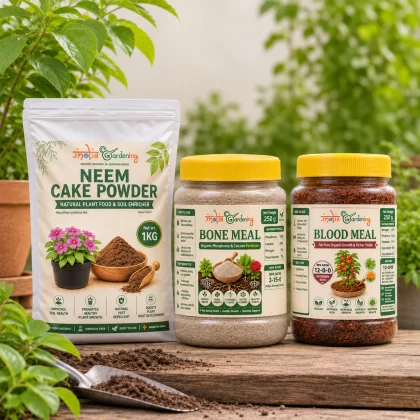
You can supplement the growth of the plant by applying cow dung manure or organic fertilizer once every 4-5 months, especially during its growing period. Using a fertilizer high in potassium and phosphorus will result in more flowers.
Indian Cork Tree Uses
- The bark of the tree is a cost-effective alternative for cork.
- The stem and leaves have anti-microbial properties and used as a tonic for lungs and cough by Ayurvedic medicine practitioners.
- The leaves of Indian cork trees are a popular substitute for tobacco in cigarettes.
- The wood of the tree is treated as a timber, whereas the bark produces a yellow dye.
- The flower extracts have hepatoprotective and antioxidant potential.
- Like
- Digg
- Del
- Tumblr
- VKontakte
- Flattr
- Buffer
- Love This
- Odnoklassniki
- Meneame
- Blogger
- Amazon
- Yahoo Mail
- Gmail
- AOL
- Newsvine
- HackerNews
- Evernote
- MySpace
- Mail.ru
- Viadeo
- Line
- Comments
- Yummly
- SMS
- Viber
- Telegram
- Subscribe
- Skype
- Facebook Messenger
- Kakao
- LiveJournal
- Yammer
- Edgar
- Fintel
- Mix
- Instapaper
- Copy Link