

- Like
- Digg
- Del
- Tumblr
- VKontakte
- Flattr
- Buffer
- Love This
- Odnoklassniki
- Meneame
- Blogger
- Amazon
- Yahoo Mail
- Gmail
- AOL
- Newsvine
- HackerNews
- Evernote
- MySpace
- Mail.ru
- Viadeo
- Line
- Comments
- Yummly
- SMS
- Viber
- Telegram
- Subscribe
- Skype
- Facebook Messenger
- Kakao
- LiveJournal
- Yammer
- Edgar
- Fintel
- Mix
- Instapaper
- Copy Link
An easy-to-care specimen for most zones, Cypress Vine can add beauty to any garden! Here’s all about How to Grow Ganesh Vel Plant!

Add lush and a vibrant appeal indoors or in the yard by growing cypress vine. Learn How to Grow Ganesh Vel Plant easily and flaunt its beauty!
Check out our article on how to grow cardamom plant Here
Ganesh Vel Plant
Cypress Vine is a flowering vine with small, delicate star-shaped blooms, mostly in bright red. It is also a foliage plant with graceful and dainty fern-like leaves. Ganesh Vel has its unique name because of its flower, which is trumpet-shaped and resembles the Lord Ganesha. The blooms come in red, pink, or white hues.
Botanical Name: Ipomoea quamoclit
Other Names: Cypress Vine, Star Glory, Indian Pink, Hummingbird Vine.
How to Grow Ganesh Vel Plant?

Seeds Picked for This Article
From Cuttings
Take 4-6 inches cutting from a healthy plant. Remove all the lower leaves, keeping the top ones intact. Dip the end in a rooting hormone and plant in a pot filled with a well-draining mix. Water well and keep it where the cutting gets plenty of bright but indirect sun. The roots will form in 2-3 weeks.
From Seeds
The seeds should be kept moist for 24 hours before planting. Lightly rub the surface of the seeds off using sandpaper. Once done, sow them in a potting mix. Water well and place the pot in bright but indirect light. The ideal temperature for germinating seeds is between 10-25 °C. They will sprout in 3-4 weeks.
Read our article on how to grow tons of lemon here
Requirements for Growing Ganesh Vel Plant

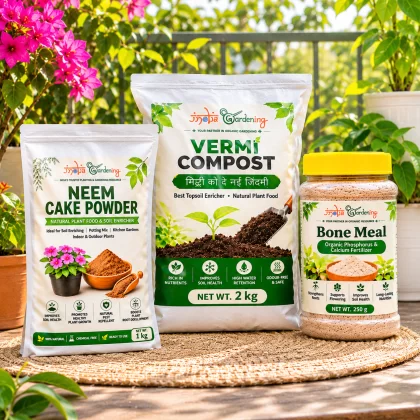
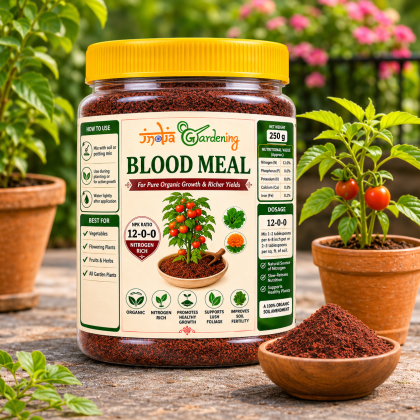
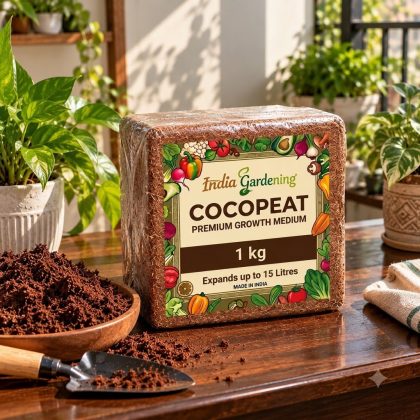
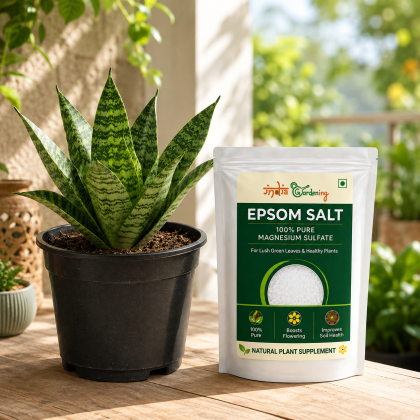
Soil & Plant Food
Sunlight
To bloom, Ganesh Vel needs a warm climate with full sun. Place your plant where it can receive at least 3-5 hours of full to partial sunlight on a daily basis. Also, do make sure it is protected from the harsh afternoon sun of Indian summers.
Watering
Water your plant daily during summer. If the leaves start to droop, this can be a sign of overwatering. The best rule to follow is to water the plant when the topsoil feels a bit dry to touch.
Soil
A fertile and well-draining growing medium works wonders for this plant. Once it is established, it will pretty much take care of its own and then you don’t have to worry about enriching the soil.
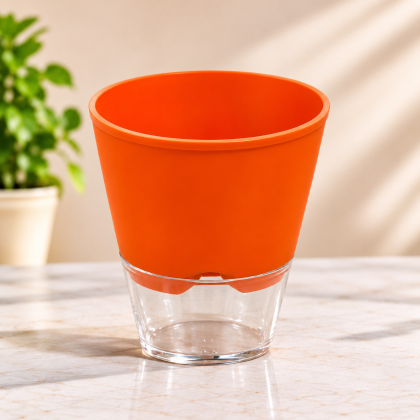
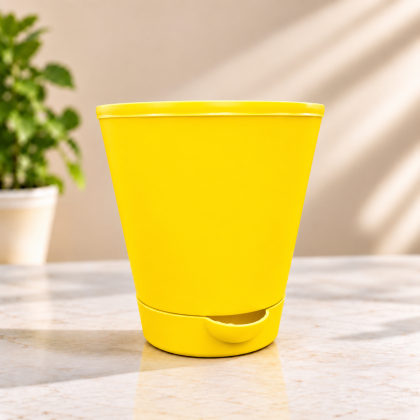
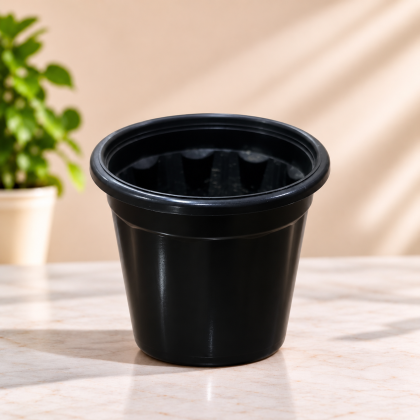
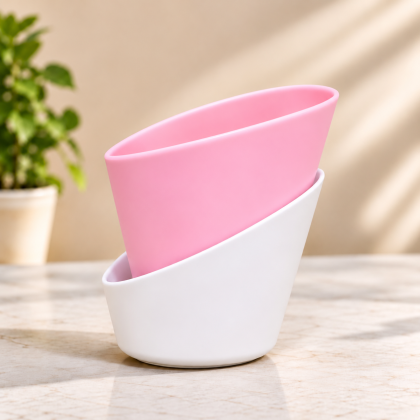
Pots & Planters for Your Space
Climate
The plant is more comfortable in environments that are not too hot and wet. It also needs shelter from cold winds, which can dry it out.
Check out our article on how to grow patharchatta plant here
Cypress Vine Care

Learn how to grow alstonia scholaris here
Fertilizer
Feed the Ganesh Vel plant with a balanced liquid fertilizer, diluted to half of its strength, once in 3-5 weeks. Look for detailed instructions on the label. Topdressing the pot with a handful of cow manure, once in 2 months will be beneficial too.
Pruning
Prune Ganesh Vel at any time to keep it in shape and growth in check. Use a clean shear or scissors to do the job.
Pests and Diseases
The plant is susceptible to aphids and scales. Using an insecticidal soap or neem oil solution will knock them away. Also, avoid overwatering the plant to prevent root rot and other potential diseases.
- Like
- Digg
- Del
- Tumblr
- VKontakte
- Flattr
- Buffer
- Love This
- Odnoklassniki
- Meneame
- Blogger
- Amazon
- Yahoo Mail
- Gmail
- AOL
- Newsvine
- HackerNews
- Evernote
- MySpace
- Mail.ru
- Viadeo
- Line
- Comments
- Yummly
- SMS
- Viber
- Telegram
- Subscribe
- Skype
- Facebook Messenger
- Kakao
- LiveJournal
- Yammer
- Edgar
- Fintel
- Mix
- Instapaper
- Copy Link