

- Like
- Digg
- Del
- Tumblr
- VKontakte
- Flattr
- Buffer
- Love This
- Odnoklassniki
- Meneame
- Blogger
- Amazon
- Yahoo Mail
- Gmail
- AOL
- Newsvine
- HackerNews
- Evernote
- MySpace
- Mail.ru
- Viadeo
- Line
- Comments
- Yummly
- SMS
- Viber
- Telegram
- Subscribe
- Skype
- Facebook Messenger
- Kakao
- LiveJournal
- Yammer
- Edgar
- Fintel
- Mix
- Instapaper
- Copy Link
Amar Bel ka Paudha in English is popular as Dodders, and we will tell you everything about how to grow it easily in your garden!
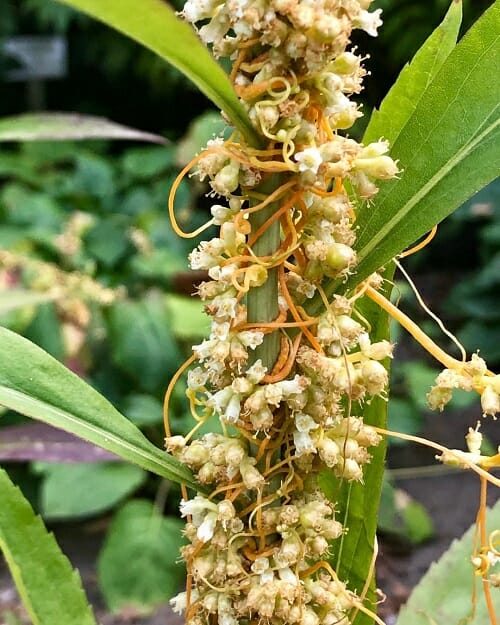
Amar Bel ka Paudha of the most health-beneficial plants in the world and is very popular for its magical healing properties. This plant is also known as the “Immortal vine.” Let’s have a look at how to grow it.
Botanical name: Cuscuta
Common name: Amar Bel, Dodder, Akashbela
Amar Bel ka Paudha Information
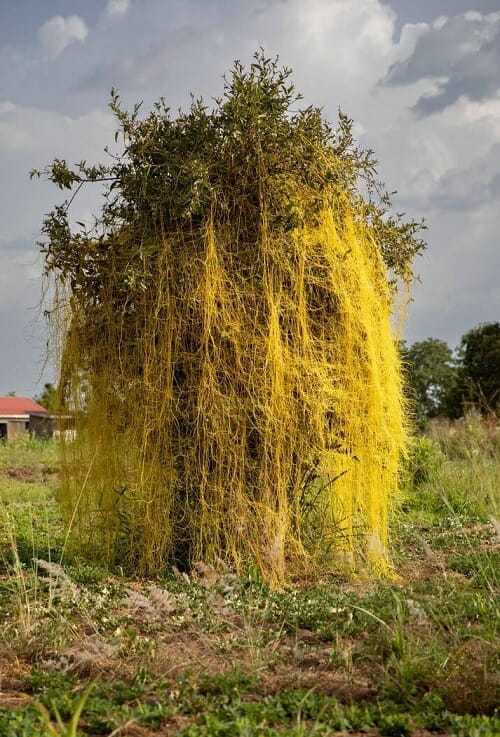
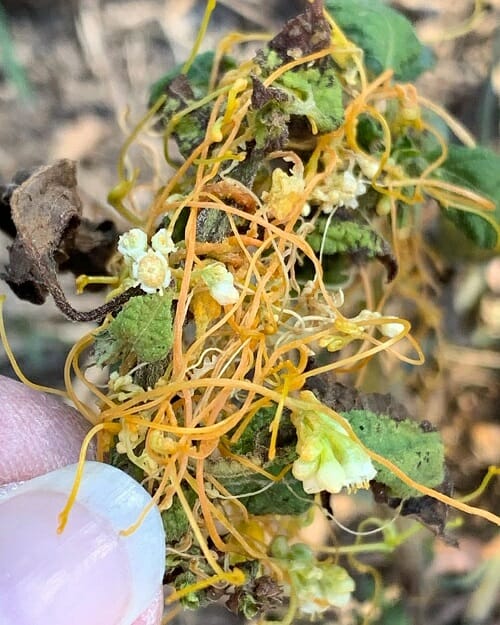
Amar Bel ka Paudha is a parasitic vine that grows on host plants that have intertwined stems. For this very reason, it is also known as the Devil’s Hair. As this plant is a parasite that depends on other plants for its nutritional needs, hence it has no leaves of its own.
Dodders are a genus of parasitic plants in the Convolvulaceae family. They can form tangled mats of yellow or orange thread-like stems across other plants. These plants have no true leaves, roots, or chlorophyll and are considered weeds in many areas. They reproduce by producing small, round, yellow-brown fruits that contain many small seeds.
Amar Bel ka Paudha Growing Requirements
Live Plants for Your Garden
Sunlight
Amar Bel ka Paudha is an obligate parasite, meaning it lacks the ability to photosynthesize and must obtain all its energy and nutrients from its host plants. As a result, it does not require any light and can actually be harmed by direct exposure to the sun.
Soil
Amar Bel ka Paudha is a parasitic plant that obtains its nutrients from other plants. It does not require soil, so any type of soil is suitable for its growth.
However, it may benefit from well-drained, nutrient-rich soil that is slightly acidic. The soil should be amended with compost or manure to provide the plant with extra nutrients.
Watering
By now, you may have realized that the dodder directly does not need any water or nutrition. So it is recommended to keep the host plant well watered so that the Amar Bel ka Paudha can indirectly obtain water from it.
Temperature
These plants thrive best in warm conditions, with temperatures ranging from 18-27°C. It is sensitive to cold temperatures and should not be exposed to temperatures below 50°F (10°C).
Amar Bel ka Paudha Care
Fertilizer
Since this is a parasitic plant, it takes all its nutrition from the host. In the case that you would be required to fertilize the host plant, as if the host gains the nutrition, Amar Bel ka Paudha will indirectly benefit from it.
Pruning
Amar Bel ka Paudha can be pruned by cutting the stems at the base with sharp pruning shears or a knife. The stems should be cut back to the ground so that the plant has no chance of regrowing. Pruning should be done in late fall or early winter when the plant is dormant.
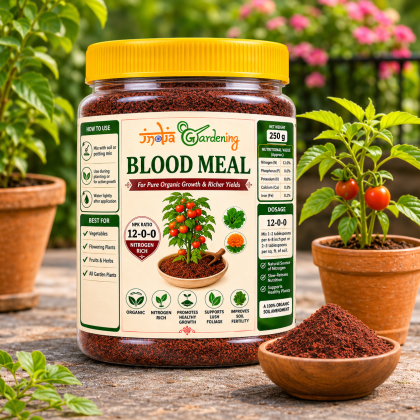
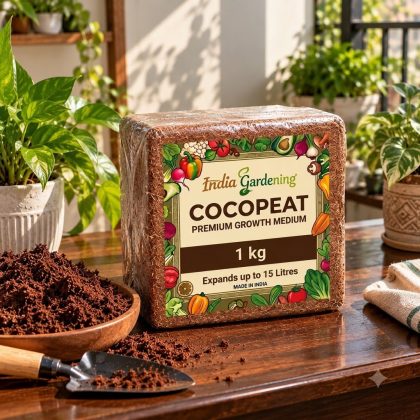
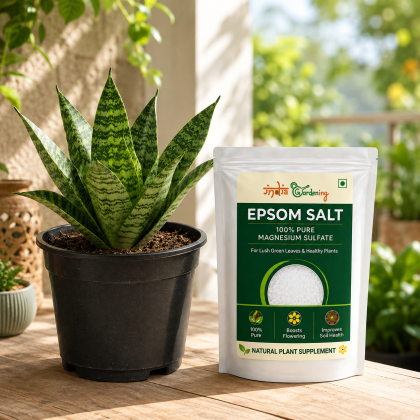
Soil & Plant Food
Afterward, any dead or diseased branches should be removed. It is important to monitor the plant for regrowth and prune it again if necessary.
Pest and Diseases
Dodder plants are susceptible to several pests and diseases, including aphids, leafhoppers, spider mites, and powdery mildew.
Powdery mildew is a fungal disease that can cause white, powdery spots on the leaves. Other pests and diseases that can affect dodder plants include root-knot nematodes, rust, and Verticillium wilt.
Amar Bel ka Paudha Health Benefits
1. Anti-Inflammatory Properties: Dodders contain a variety of compounds that can help reduce inflammation in the body. These compounds include polysaccharides, flavonoids, and phenolic acids.
2. Antioxidant Benefits: The antioxidants present in Dodders can help protect the body from the damaging effects of free radicals.
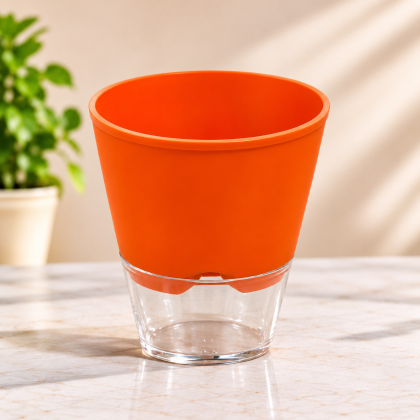
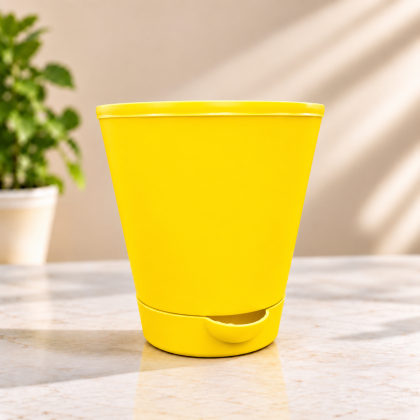
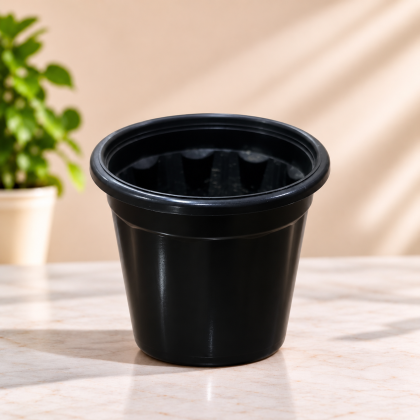
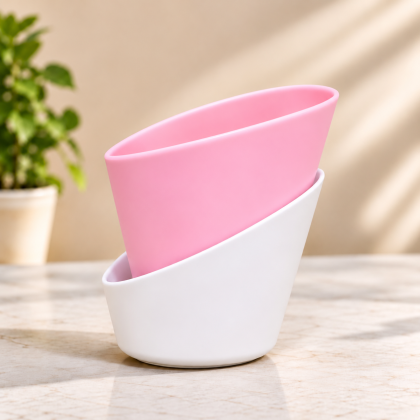
Pots & Planters for Your Space
3. Cardiovascular Benefits: Dodders contain compounds that can help reduce cholesterol levels and lower blood pressure, which can help improve heart health.
4. Digestive Benefits: The antioxidants and other compounds in Dodders can help improve the digestive system and reduce the risk of digestive issues.
5. Skin Benefits: Dodders can help improve skin health by reducing inflammation and providing antioxidants.
- Like
- Digg
- Del
- Tumblr
- VKontakte
- Flattr
- Buffer
- Love This
- Odnoklassniki
- Meneame
- Blogger
- Amazon
- Yahoo Mail
- Gmail
- AOL
- Newsvine
- HackerNews
- Evernote
- MySpace
- Mail.ru
- Viadeo
- Line
- Comments
- Yummly
- SMS
- Viber
- Telegram
- Subscribe
- Skype
- Facebook Messenger
- Kakao
- LiveJournal
- Yammer
- Edgar
- Fintel
- Mix
- Instapaper
- Copy Link