

- Like
- Digg
- Del
- Tumblr
- VKontakte
- Flattr
- Buffer
- Love This
- Odnoklassniki
- Meneame
- Blogger
- Amazon
- Yahoo Mail
- Gmail
- AOL
- Newsvine
- HackerNews
- Evernote
- MySpace
- Mail.ru
- Viadeo
- Line
- Comments
- Yummly
- SMS
- Viber
- Telegram
- Subscribe
- Skype
- Facebook Messenger
- Kakao
- LiveJournal
- Yammer
- Edgar
- Fintel
- Mix
- Instapaper
- Copy Link
Wondering How to Start a Balcony Herb Garden? Here’s everything you need to know about growing them in your home and enjoy a fresh harvest!
There’s nothing like enjoying homegrown herbs in your cuisines as they offer the best taste and fantastic aroma. However, not everyone has a big garden to grow them. If you live in an apartment and want to know How to Start a Balcony Herb Garden, then you are at the right place!
Here are the best herbs you can grow to make you relax
How to Start a Balcony Herb Garden?

You can either grow herbs from seeds or get the plants from a nursery. To grow them from seeds, sow them in a pot filled with a quality potting mix, water them and place them where they can get bright sunlight. The seeds will sprout in 10-14 days.
Best Herbs to Grow in Balcony
Mint (Pudina), Dill (Suva Bhaji), Thyme (Banajwain), Parsley (Ajmod), Cilantro (Dhania), Lemon balm, Lemongrass (Gandhatrina), Oregano, Fennel (Saunf), Fenugreek (Methi), Bay leaves (Tejpatta), Indian Sorrel (Changeri) are some of the best herbs you can grow with ease.
Growing Requirements for Herbs in a Balcony
Pots & Planters for Your Space

Location and Sunlight
Every herb has a specific sunlight requirement, but most of them appreciate 4-6 hours of full to partial sunlight. If you have a south-facing balcony, then luck is in your favor! If you don’t get much sunlight, you can go for shade-loving herbs like chives, mint, cilantro, chervil, and lemon balm that can do well in 2-3 hours of sun daily.
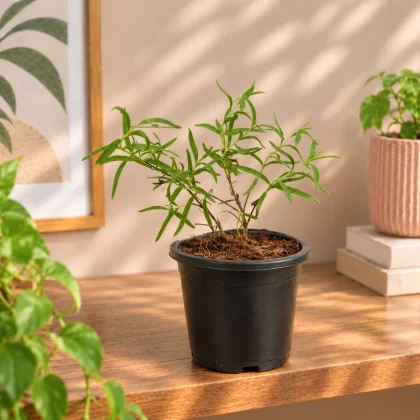
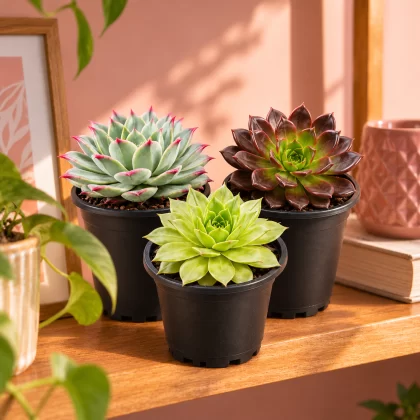
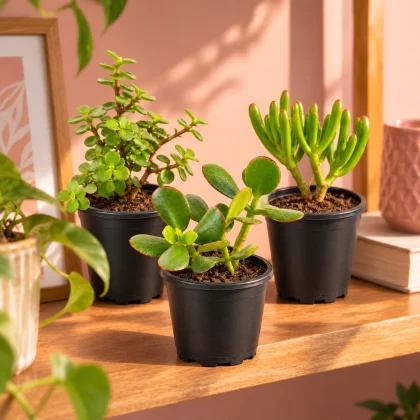
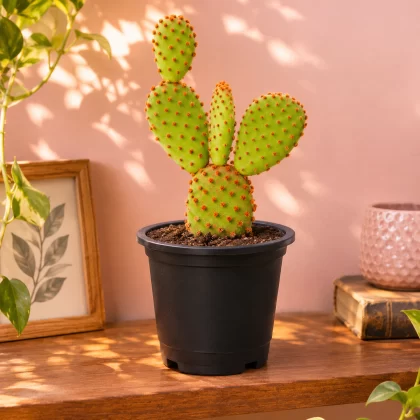
Live Plants for Your Garden
Watering
Each herb has different watering needs, but most of them prefer slightly moist soil. To prevent them from overwatering, poke a finger 2-inches deep in the topsoil – if it feels dry, then water deeply until the excess water drains out from the pot.
Soil
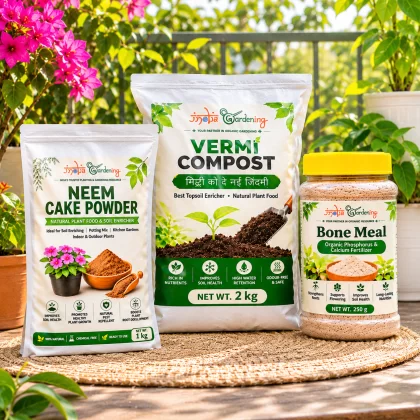
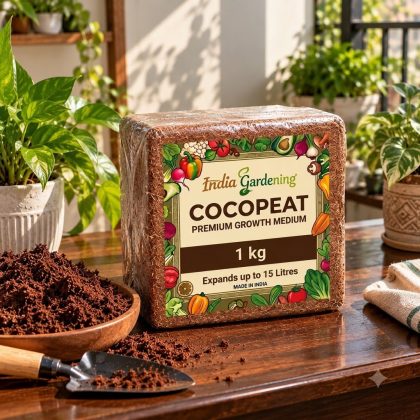
Herbs thrive in lightweight, porous, and well-draining soil. So, consider using a high-quality potting mix for vegetables and herbs. You can also prepare it by blending two parts of regular potting mix with one part of perlite and compost each.
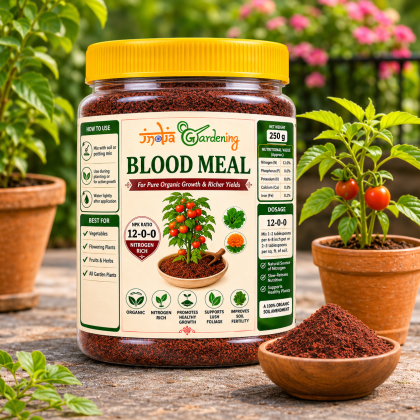
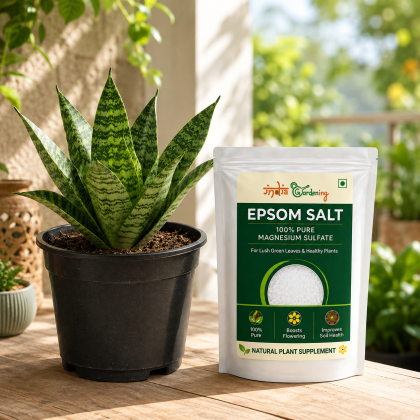
Soil & Plant Food
Pot Size
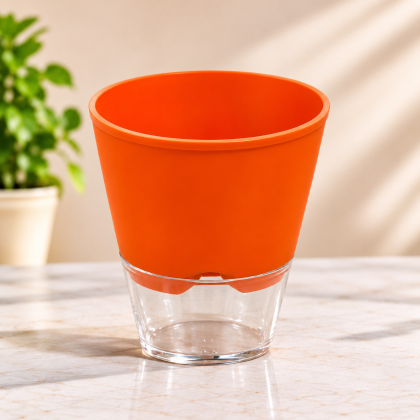
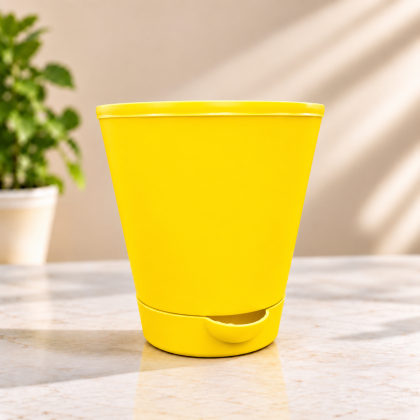
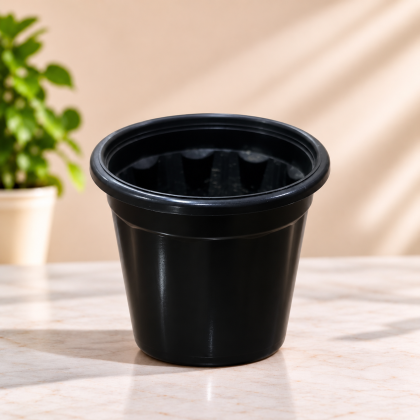
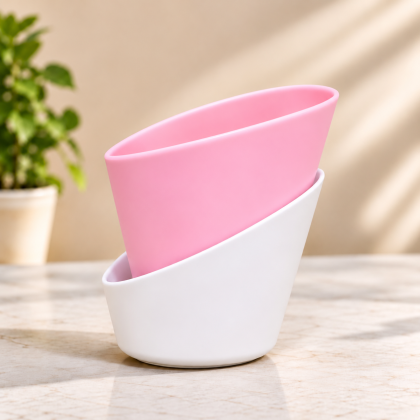
An 8-10 inch pot is ideal for growing herbs. Shallow-rooted herbs like basil and mint can do well in a 6-inches pot too. Make sure that the pots have drainage holes at the bottom.
Taking Care of Herbs in Balcony

Fertilizer
Use slow-release and organic fertilizer 2-3 times a year. You can also add well-rotted manure or compost while potting. Also, feeding fish emulsion or compost tea diluted to half strength every 3-4 weeks during the growing season will aid in the growth.
Protection from Heat
During the Indian summers, protect your herbs from the direct scorching afternoon sunlight by providing some shades using a green net curtain.
Also, you should change the pot’s orientation periodically, so that each part of the plant gets even sun exposure. You can also topdress the soil with a layer of organic mulch to minimize the water loss from the pots.
Harvesting
Snip off the leaves as per your requirements once the plant has grown 5-6 inches tall. Regular harvesting also prunes or trims the plant, hence leading to bushier growth.
- Like
- Digg
- Del
- Tumblr
- VKontakte
- Flattr
- Buffer
- Love This
- Odnoklassniki
- Meneame
- Blogger
- Amazon
- Yahoo Mail
- Gmail
- AOL
- Newsvine
- HackerNews
- Evernote
- MySpace
- Mail.ru
- Viadeo
- Line
- Comments
- Yummly
- SMS
- Viber
- Telegram
- Subscribe
- Skype
- Facebook Messenger
- Kakao
- LiveJournal
- Yammer
- Edgar
- Fintel
- Mix
- Instapaper
- Copy Link