

- Like
- Digg
- Del
- Tumblr
- VKontakte
- Flattr
- Buffer
- Love This
- Odnoklassniki
- Meneame
- Blogger
- Amazon
- Yahoo Mail
- Gmail
- AOL
- Newsvine
- HackerNews
- Evernote
- MySpace
- Mail.ru
- Viadeo
- Line
- Comments
- Yummly
- SMS
- Viber
- Telegram
- Subscribe
- Skype
- Facebook Messenger
- Kakao
- LiveJournal
- Yammer
- Edgar
- Fintel
- Mix
- Instapaper
- Copy Link
Want to know about Which Vegetables You Can Plant in August in India? Here are the best ones that will soon get ready to harvest!
With so many veggies around, it can be difficult to pick the one that goes well with the season, especially in the month of August in India. If you too are wondering about Which Vegetables You Can Plant in August, then we have made it easy for you!
Have a look at the best rainy vegetables in India here
Which Vegetables You Can Plant in August in India
1. Carrot
Seeds Picked for This Article
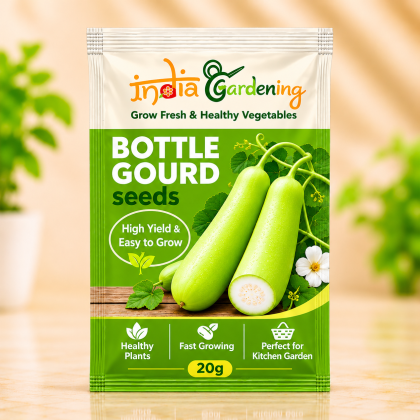
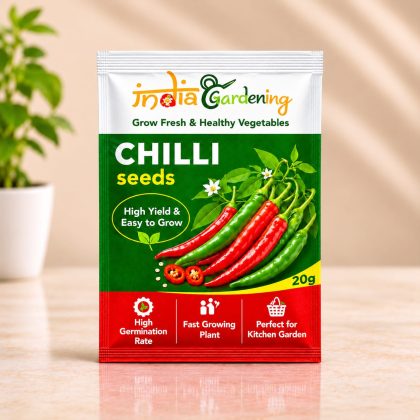
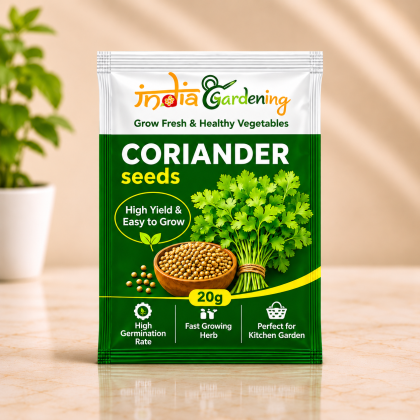
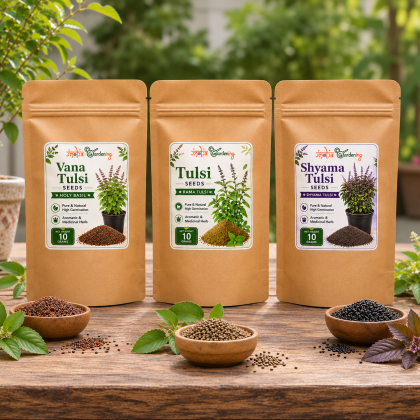

Botanical Name: Daucus carota subsp. sativus
Carrot is an integral part of salads and Halwa in India. The best part is, you can easily grow it in containers, where it can receive 6-7 hours of full sunlight daily. Grow this plant from August to September, and it will be ready for harvest after 80-90 days.
2. Cauliflower

Botanical Name: Brassica oleracea var. botrytis
Be it curries, soups, and biryani, cauliflower can make them all delicacies! If you are a north India dweller, then June is the best time period. Otherwise, August to September is the most feasible time to grow it in Southern India. Or, more specifically, June to September is the appropriate time for cauliflower cultivation in India.
Soil & Plant Food



3. French Beans

Botanical Name: Phaseolus vulgaris
French beans are rich in proteins, and healthy carbs, making them a nutritious addition to the vegan diet. You can grow beans from August till October. Provide them with ample support and six to eight hours of sunlight.
4. Beet

Botanical Name: Beta vulgaris
Crunchy beetroot is loaded with nutrients like fiber, folate, manganese, potassium, iron that makes it a must addition to the salad platter. You can grow it in August month, especially if you are native to the south India region.
Pots & Planters for Your Space



5. Radish

Botanical Name: Raphanus sativus
Crispy, mildly and peppery radish is a must-have in salads in India. This root vegetable is grown from mid to late August to November in India. It matures fast, within 50-60 days from planting.
6. Tomato

Botanical Name: Solanum lycopersicum
An excellent source of anti-oxidants, the sauteed recipes taste incomplete without the tangy addition of tomatoes. You can grow determinate or indeterminate varieties according to space and support convenience. July, August, and September are optimum months to grow them.
Check out the best season to grow tomatoes in India here
7. Turnip

Botanical Name: Brassica rapa subsp. rapa
Turnip has a pungent to spicy flavor and crispy texture. It is fast-growing, low-maintenance, and easy to grow as long as you provide soil that is rich in organic matter.
- Like
- Digg
- Del
- Tumblr
- VKontakte
- Flattr
- Buffer
- Love This
- Odnoklassniki
- Meneame
- Blogger
- Amazon
- Yahoo Mail
- Gmail
- AOL
- Newsvine
- HackerNews
- Evernote
- MySpace
- Mail.ru
- Viadeo
- Line
- Comments
- Yummly
- SMS
- Viber
- Telegram
- Subscribe
- Skype
- Facebook Messenger
- Kakao
- LiveJournal
- Yammer
- Edgar
- Fintel
- Mix
- Instapaper
- Copy Link