

- Like
- Digg
- Del
- Tumblr
- VKontakte
- Flattr
- Buffer
- Love This
- Odnoklassniki
- Meneame
- Blogger
- Amazon
- Yahoo Mail
- Gmail
- AOL
- Newsvine
- HackerNews
- Evernote
- MySpace
- Mail.ru
- Viadeo
- Line
- Comments
- Yummly
- SMS
- Viber
- Telegram
- Subscribe
- Skype
- Facebook Messenger
- Kakao
- LiveJournal
- Yammer
- Edgar
- Fintel
- Mix
- Instapaper
- Copy Link
Here’s a detailed guide on Jambu Fruit Plant Information and Growing that will give you all the idea on how to cultivate it in India easily!

Java apples are popular for their tangy and sweet taste. If you want to cultivate them in your garden, then we have all the details on Jambu Fruit Plant Information and Growing for you!
Check Out 12 Fruit Trees for Home Garden in India Here
What is Jambu Fruit?
Jambu fruit grows on tall and evergreen trees that can reach an impressive height of 50-70 feet. It bears pompom-like flowers that develop into pear-shaped fruits. India ranks second in the cultivation and production of jambu fruits in the world.
Botanical Name: Syzygium samarangense
Common Name: Jambhul, jambu, jambula, jamboola, Java plum, jamun, jamblang, jambolan, black plum
Jambu Fruit Plant Information and Growing
The plant can be grown from seeds and air layering. To save time and effort, we would advise you to buy a well-grown plant from a local nursery.
- Purchase good quality seeds of jambu and sow them in a seed starting mix or a mixture of perlite and peat.
- Make sure to sow multiple seeds as not all seeds might germinate.
- Mist the growing medium and place the pot at any indirect sunlight location.
- Seeds will germinate in 10-15 days.
Live Plants for Your Garden
Learn How to Grow Cherry Fruit Here
Growing Requirements of Jambu Fruit

Sunlight
Jambu fruit grows best in full light. Plant it at the sunniest location of your yard where it can avail of 4-6 hours of direct sun daily.
Soil & Plant Food
Watering
Keep the soil consistently moist and do not let it dry out completely. Water when the topsoil feels dry to touch, especially during the growth phase. Remember, water stress can adversely affect the fruiting quantity and quality of the plant.
Soil
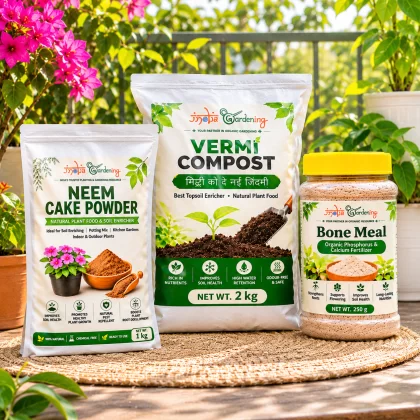
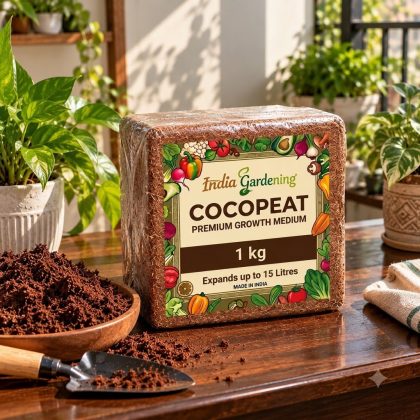
This plant can survive in a range of soil types including sandy to clay. However, well-draining soil rich in organic matter works the best. You can use regular potting soil for containers or amend the garden soil with compost or manure to make it adequately fertile. Also, the pH of the soil must be slightly alkaline to slightly acidic.
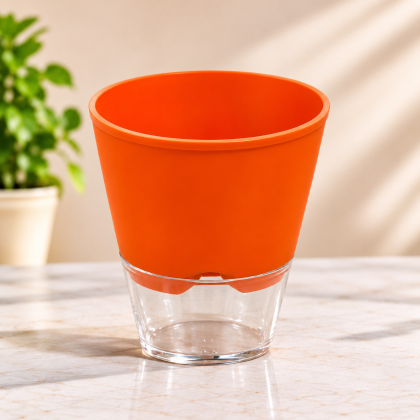
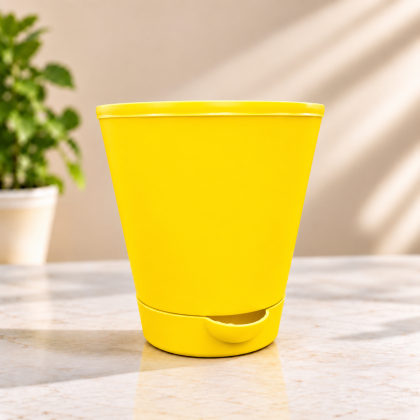
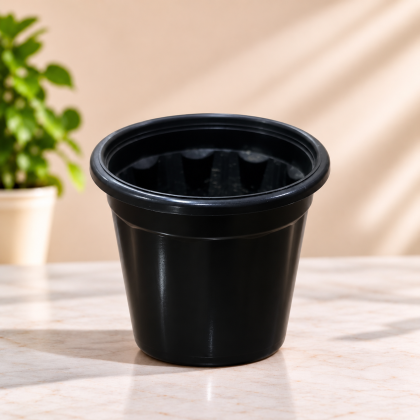
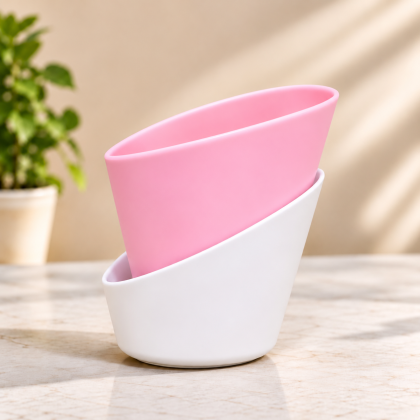
Pots & Planters for Your Space
Climate
The plant belongs to the tropical to sub-tropical climate, therefore, can easily thrive in the Indian sub-tropical climate. It grows best in the temperature range of 25 to 36 C.
Learn How to Grow Apple Tree in Container Here
Care for Jambu Fruit

Fertilizer
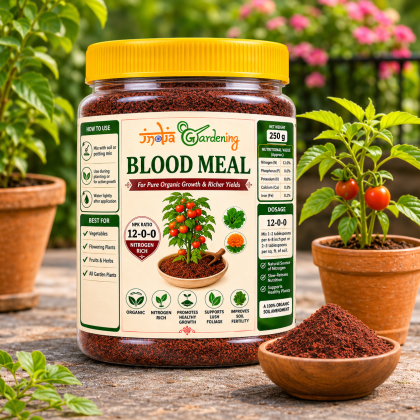
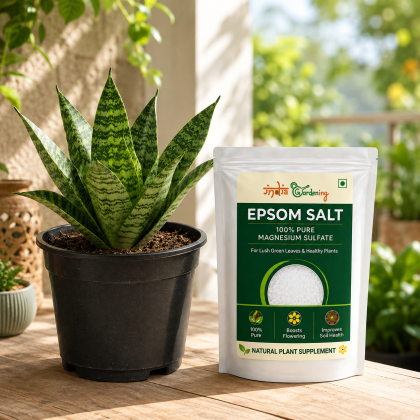
Feed the plant with a balanced liquid fertilizer like 15-15-15 during the growing months, once every 4-weeks. Refer to the label for detailed instructions.
Mulching
Use a 2-3 inches wide layer of organic mulch like shredded leaves, grass clippings, bark, and straw. This will greatly help to maintain temperature and moisture.
Harvesting
The fruits become harvestable after 2-5 years. Handpick or use a knife to make a clean cut. Do make sure you don’t damage the stems in the process.
- Like
- Digg
- Del
- Tumblr
- VKontakte
- Flattr
- Buffer
- Love This
- Odnoklassniki
- Meneame
- Blogger
- Amazon
- Yahoo Mail
- Gmail
- AOL
- Newsvine
- HackerNews
- Evernote
- MySpace
- Mail.ru
- Viadeo
- Line
- Comments
- Yummly
- SMS
- Viber
- Telegram
- Subscribe
- Skype
- Facebook Messenger
- Kakao
- LiveJournal
- Yammer
- Edgar
- Fintel
- Mix
- Instapaper
- Copy Link